
The Duo
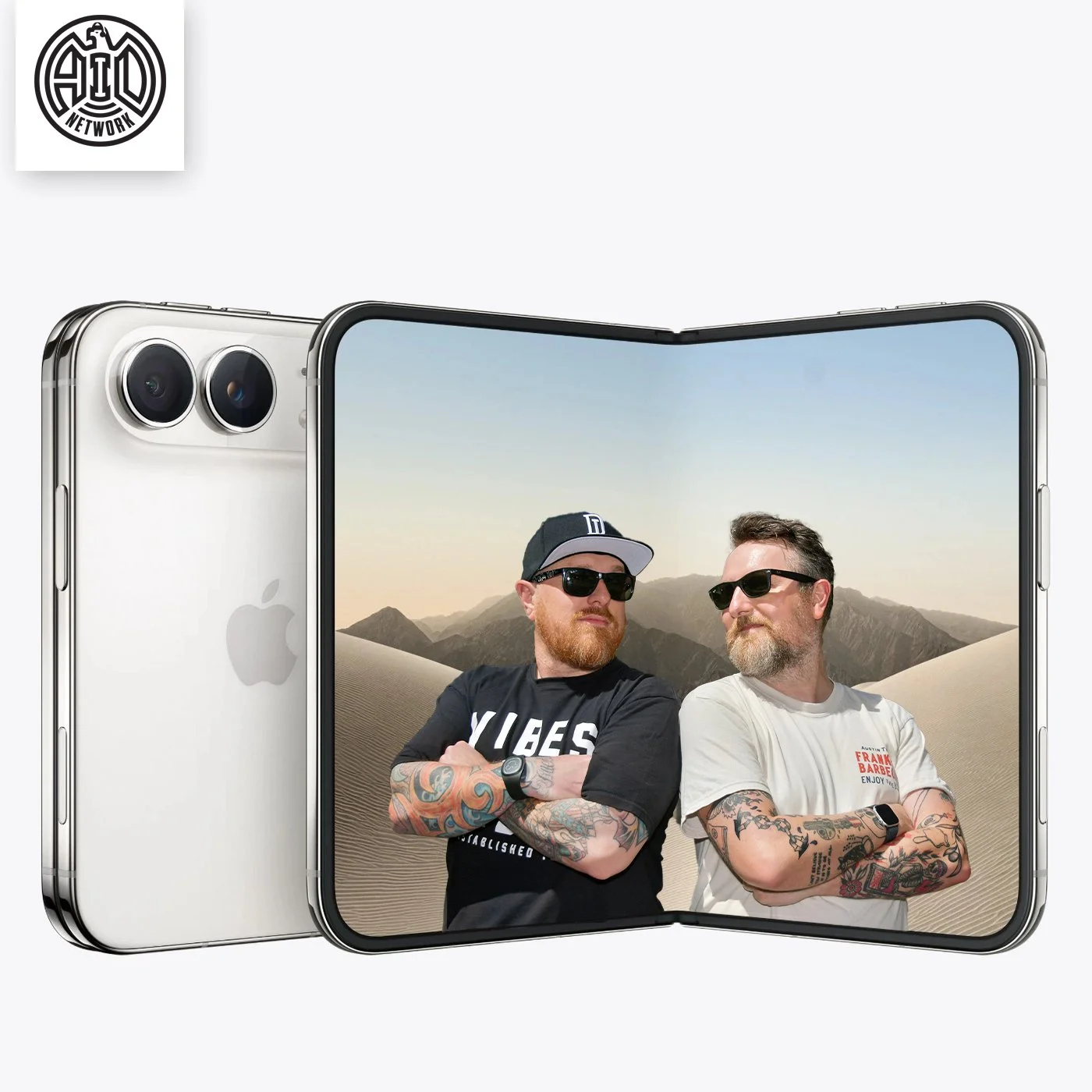
Sean Mort returns to Adventures In Design for another conversation about creativity, technology, running independent businesses, and finding ways to make life a little less complicated.
We kick things off with Mark's absolutely disastrous trip to see the new Oasis documentary in IMAX. What should have been a fun night with Biggie, Hammer, Chris Glass, and Carl turns into an ongoing confrontation with two drunken Oasis fans who apparently believe a movie theater should operate like a Manchester pub. It's a ridiculous story that leads into a surprisingly interesting discussion about concert culture, movie theater etiquette, and how the rules of public behavior seem to have disappeared.
From there, Mark and Sean take a deep dive into Apple's newly announced folding iPhone, the Duo. While Sean struggles to justify the enormous price in the UK, Mark sees something potentially revolutionary for his YouTube career. Could a folding phone finally combine the convenience of an iPhone, the workspace of an iPad, and enough editing functionality to replace carrying a laptop into Disneyland? They break down how the device could change mobile filmmaking, same-day video production, and their relationship with technology.
But the real breakthrough comes in the second half of the episode.
After weeks of talking about using AI as a practical business assistant, Sean finally puts the idea to work by investigating whether the Meta ads he's been running for Right Now Stuff are actually making him money.
What he discovers is startling.
By comparing his advertising expenses against Shopify sales, profit margins, email marketing, and customer behavior, Sean realizes that some of his advertising campaigns have been costing more money than the products they're selling. Even more surprising, the analysis suggests Meta may be taking credit for sales that his existing audience and email list were already generating.
Instead of immediately shutting everything down, Sean develops a 30-day experiment to reduce his advertising expenses, improve the campaigns, and finally determine whether paid advertising deserves a place in his business.
That leads into a much bigger conversation about how independent creators can use AI to solve problems they've been avoiding, simplify overwhelming responsibilities, and make decisions based on actual information instead of anxiety.
Mark shares his own recent breakthrough: discovering more than $5,000 in sponsorship work that had fallen through the cracks while he was busy producing YouTube videos. By creating a simple weekly accountability system, he was able to organize the entire workload in less than two hours and eliminate a huge source of unnecessary stress.
Together, they explore the complicated relationship between AI and creative careers. Neither ignores the legitimate concerns about the technology's impact on designers and artists, but both are beginning to discover how removing administrative work can create more time for the things that made them want to become creatives in the first place.
The big takeaway: After decades of working harder to get ahead, maybe the next chapter is about finding ways to work smarter, protect your creativity, and actually enjoy the life you've been building.
A funny, personal, and surprisingly practical conversation about Oasis, Apple, advertising, artificial intelligence, and the freedom that comes from finally getting out of your own way.